
The dress budget is often the first wedding figure that feels personal. It is not just a line on a spreadsheet: it is the gown you will wear for one of the most photographed, emotional days of your life. Knowing how to budget for wedding dress shopping means giving yourself enough room to find something that feels wonderful, while keeping the rest of your plans comfortably on track.
The reassuring news is that a thoughtful budget does not limit your bridal experience. It gives your stylist useful direction, helps you compare options fairly and lets you say yes with confidence rather than a lingering worry about the final bill.
Start with the complete outfit cost
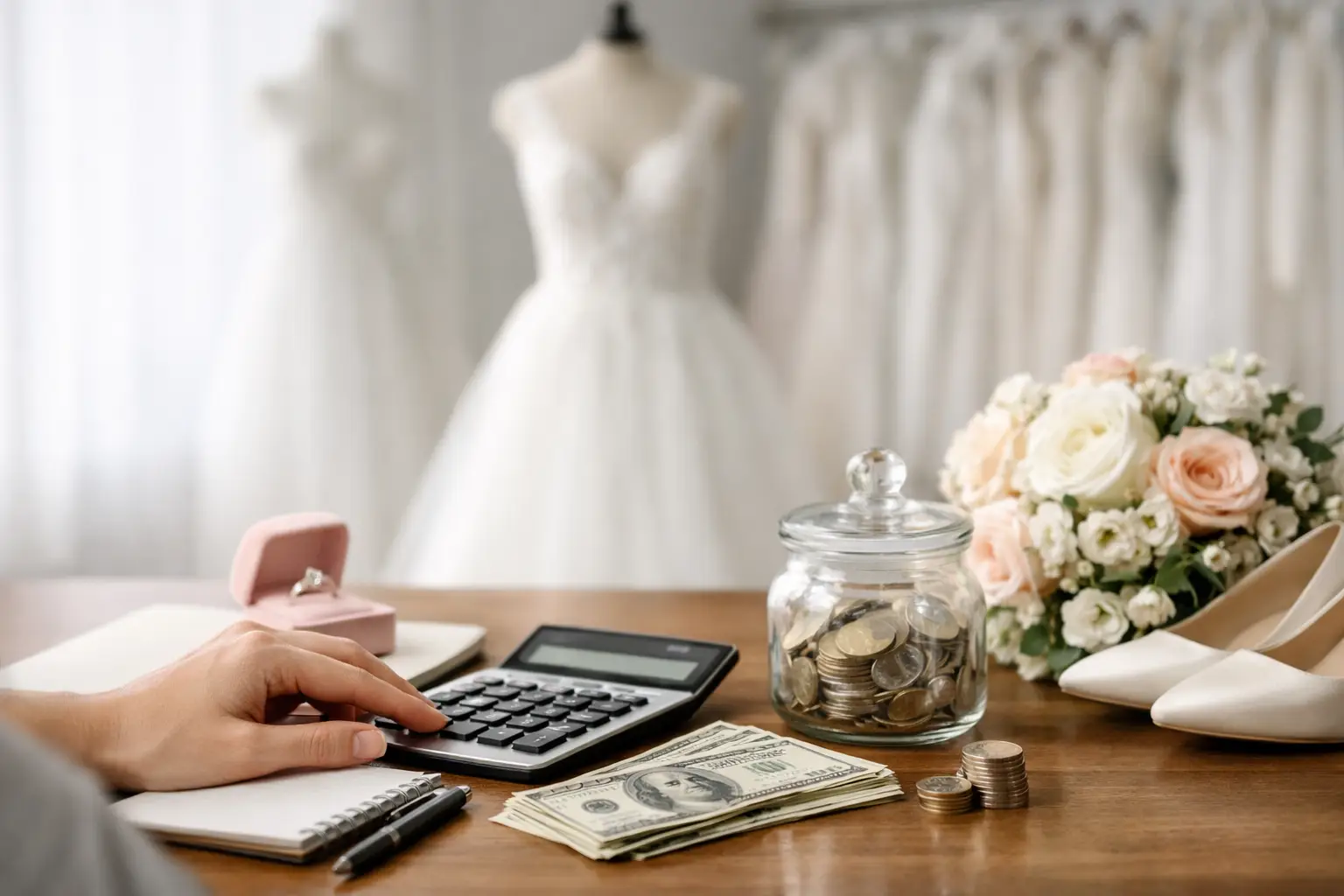
When brides first choose a dress budget, they often picture the ticket price on the gown. In reality, the complete bridal look may include alterations, shoes, underwear, a veil or hair accessory and jewellery. None of these costs need to take the joy out of your choice, but they should be considered from the start.
Begin by deciding what portion of your overall wedding budget feels right for your outfit. There is no perfect percentage. A bride hosting an intimate celebration may choose to spend more on her gown because it is a key priority, while another may prefer to put more towards food, flowers or a larger guest list. The right figure is the one that suits your priorities and leaves you financially comfortable afterwards.
How to budget for a wedding dress realistically
Be honest about the number you can spend before you book appointments. This does not mean choosing your gown before you have tried anything on. It simply means setting a clear ceiling that takes account of your savings, any agreed family contribution and the rest of your wedding commitments.
If someone else is contributing, have a gentle but direct conversation early. Ask whether they have a fixed amount in mind and whether it is intended for the gown only or for alterations and accessories too. Clear expectations prevent awkwardness in the fitting room, where emotions can understandably run high.
It can also help to set two numbers: your comfortable budget and your absolute maximum. Your comfortable budget is the figure you would be happy to spend without rearranging other plans. Your maximum is a carefully considered amount you could spend if a dress genuinely feels right and the full outfit still works on paper. The gap between them should be modest, not a reason to take on debt or sacrifice essentials.
Remember that alterations are part of the plan
Almost every wedding dress benefits from some level of alteration. The work might be as simple as adjusting the hem or straps, or more involved if the bodice, sleeves or train need refining. A gown is selected in a sample size, then tailored to help it feel like yours.
Alteration costs vary according to the fabric, construction and changes required. Beading, lace placement, multiple layers and a detailed bustle can all take additional time. Ask your boutique what is usually involved for the styles you are considering and when alteration appointments should be scheduled. That information will help you make a like-for-like comparison between gowns rather than being surprised later.
Decide what matters most to you
A budget becomes easier to manage when you know where you are willing to compromise and where you are not. Perhaps you have always imagined dramatic sleeves, a certain silhouette or a particular quality of fabric. Perhaps comfort, movement and a lightweight gown for a summer wedding matter more than embellishment.
Write down your top three priorities before you shop. They might be a structured corset bodice, a soft tulle skirt and a train that photographs beautifully. Or they may be effortless comfort, pockets and a dress that works well with flat shoes. Your stylist can then focus on options that honour what matters most, rather than showing you dresses that use budget on details you do not value.
Designer dresses, sale gowns and off-the-peg options can all be beautiful choices. The trade-off is usually between selection, timing, customisation and price. A made-to-order gown may offer the experience of choosing from a current collection and ordering your preferred size, while an off-the-peg gown can be ideal if your wedding is sooner or you would like to make more of your budget available for alterations and accessories. There is no lesser route to finding the dress that makes you feel extraordinary.
Shop with a clear brief, not a fixed picture
Pinterest and social media are wonderful for gathering ideas, but photographs rarely show how a gown feels on the body. The dress you expected to love may not be the one that gives you that unmistakable feeling in front of the mirror. Arrive with inspiration, but keep an open mind about silhouettes and fabrics.
When booking, share your budget range openly. A good boutique will respect it and use it to guide the appointment thoughtfully. You should never feel pressured to try something far beyond your means simply because it is beautiful. Equally, do not assume a smaller budget means a smaller experience. Careful styling, an excellent fit and the right accessories can create a complete look at many price points.
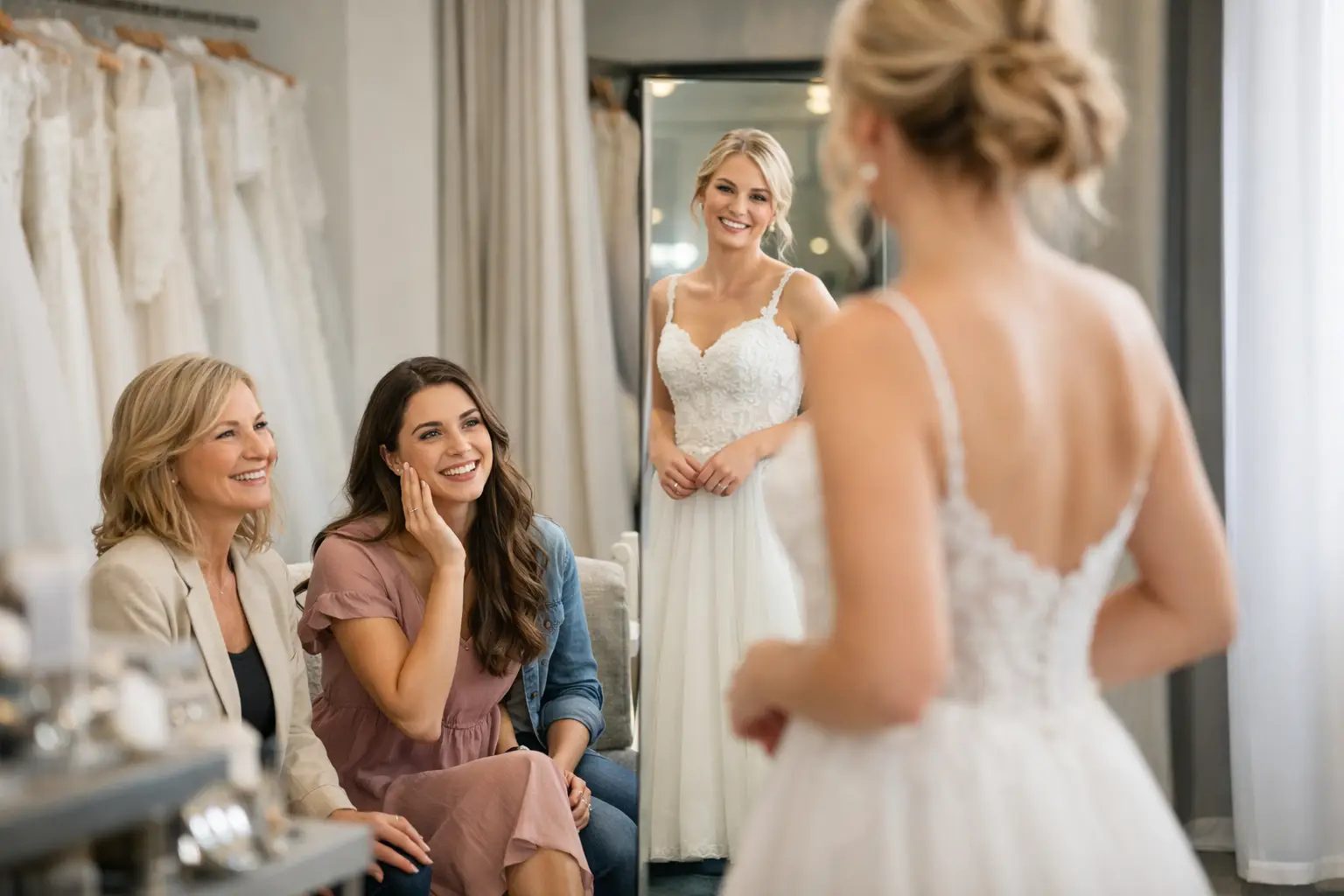
At Serena Bridal, the purpose of a dedicated appointment is to give you the time and support to explore what suits you, with honest guidance from a senior stylist. Bring only the guests whose opinions will help you feel more certain. Too many voices can make even a straightforward decision feel difficult.
Plan for timing as well as cost
The earlier you begin, the more choices you are likely to have. Made-to-order dresses need time to arrive, and alterations should not be rushed. Starting your search around 12 to 18 months before the wedding can give you a relaxed window, although many brides find their gown successfully on a shorter timescale.
If your date is closer, tell the boutique at the outset. Off-the-peg and sale gowns can be particularly helpful, but you still need to allow time for fitting and finishing. Avoid buying a dress in haste solely because you are worried about time. Instead, ask clear questions about availability, delivery and the alteration schedule before committing.
Timing can affect cost in quieter ways too. Last-minute changes, express delivery or extensive alterations may put pressure on your budget. A simple timeline, with your dress choice, fittings and accessory decisions mapped out, gives you more control.
Avoid the budget traps that cause regret
The most common mistake is treating the dress price as the final price. The next is buying a gown because it pleased everyone else in the room. Your wedding dress should reflect you, not a committee.
It is also worth resisting the urge to keep shopping after you have found a gown you truly love and can afford. Comparison can quickly steal the happiness from a decision that was already right. Once you have checked the full costs, understood the fitting plan and felt that quiet certainty, it is perfectly acceptable to stop looking.
Finally, do not measure the value of a dress by how many hours you wear it. The value lies in how it makes you stand, move, laugh and remember the day. A considered budget lets you invest in that feeling without placing unnecessary pressure on the life you are building together.
Give yourself permission to be practical and excited at the same time. With a clear figure, a little flexibility and expert support, you can choose a gown that feels beautifully yours from the first fitting to the final dance.