
The dress that felt perfect in the boutique should still feel like yours when you walk down the aisle. Yet bodies, plans and confidence can all shift between saying yes to a gown and the wedding day. Bridal gown resizing is a normal part of the journey for many brides, and with the right timing and experienced hands, it can help your dress feel comfortable, secure and beautifully considered.
At Serena Bridal, we know that fit is about far more than measurements. It is about being able to sit for dinner, hug the people you love, lift your arms for photographs and dance without worrying about your bodice slipping or your hem catching underfoot.
What does bridal gown resizing involve?
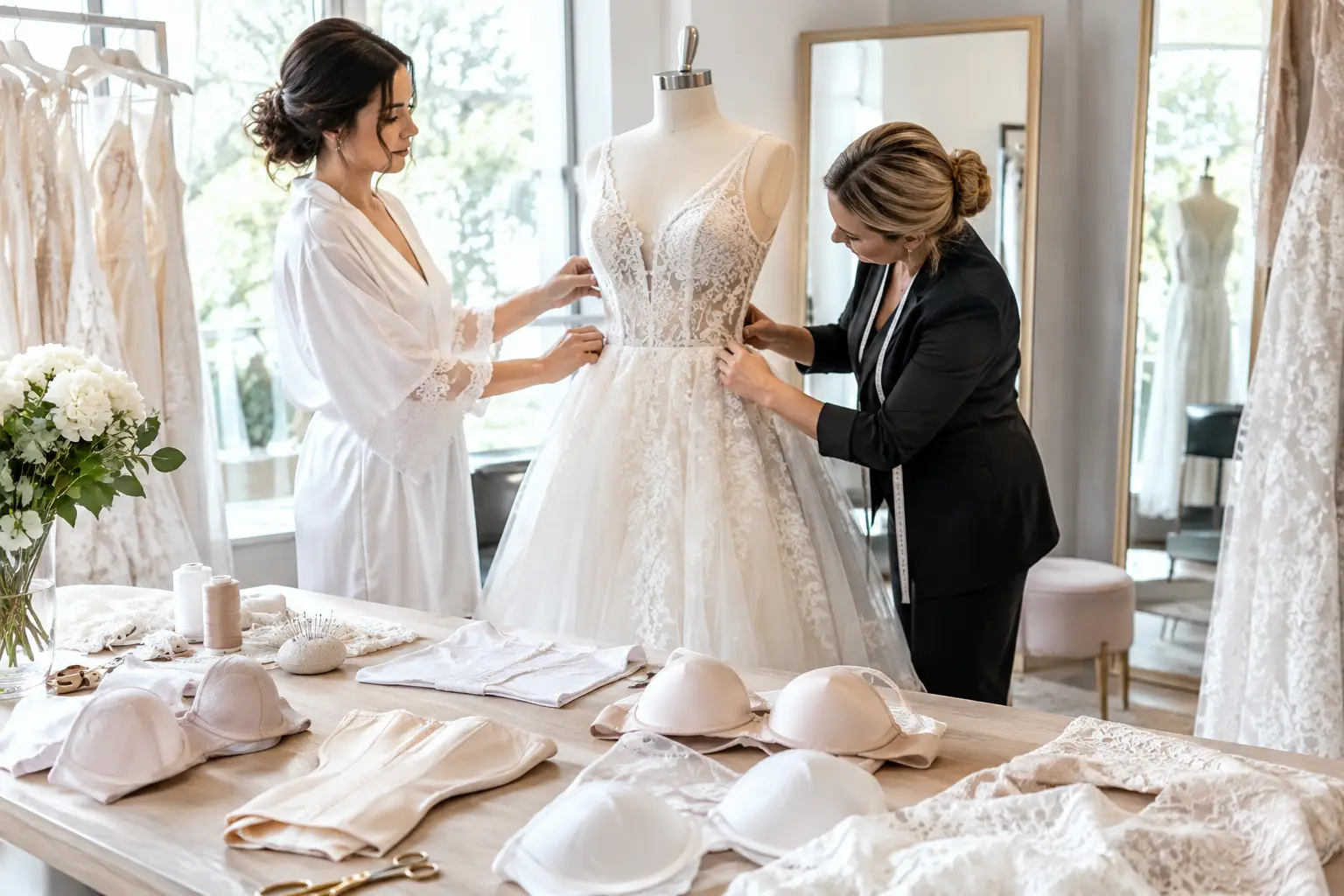
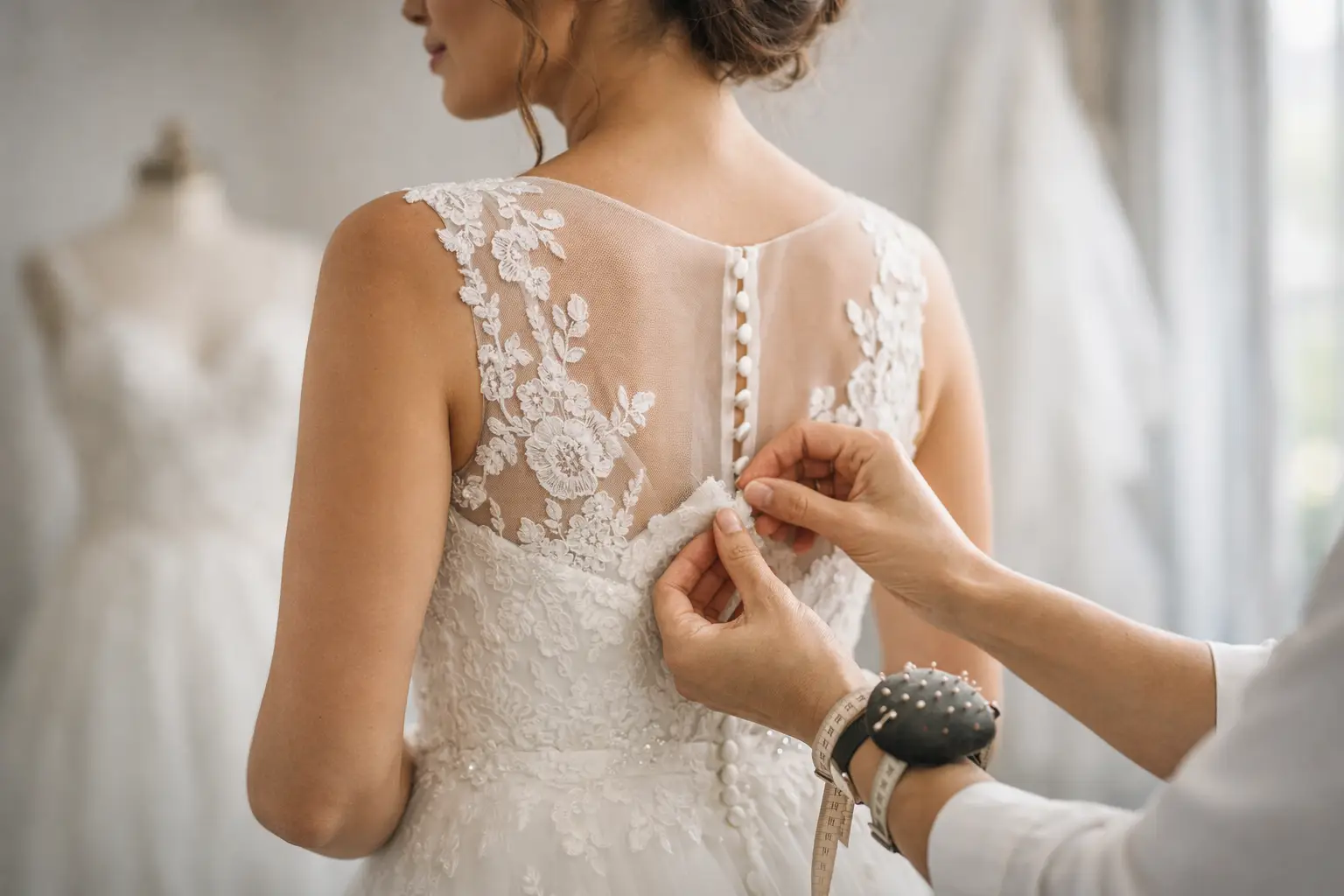
Bridal gown resizing means adjusting a gown so it better matches your measurements closer to the wedding. This may involve taking in the bodice or hips, shortening the hem, refining straps, adjusting the bust cups or reshaping details such as sleeves and necklines. The work is usually completed through a series of fittings, rather than in one appointment.
Most wedding dresses are ordered according to the designer’s size chart, not made to the exact measurements of the bride. It is common to order for the fullest part of your body and tailor other areas for a more precise fit. This is one reason alterations are an expected element of buying a bridal gown, rather than a sign that anything has gone wrong.
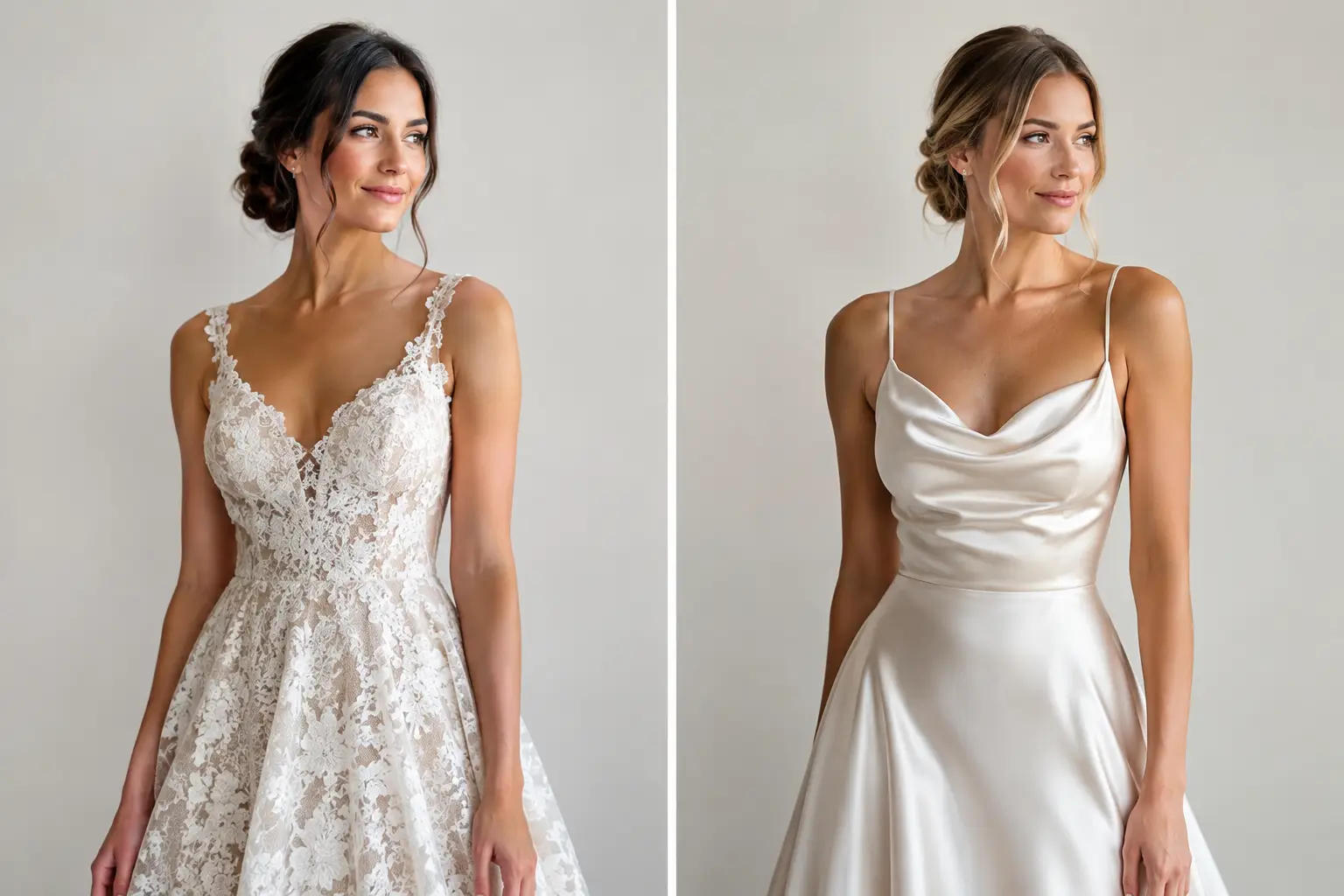
The complexity depends on the dress. A clean satin A-line gown may allow relatively straightforward seam adjustments, while a heavily beaded fitted dress, intricate lace gown or corseted bodice requires more specialist work. Every layer, appliqué and internal structure has to be handled carefully to preserve the original design.
Can a wedding dress be resized up or down?
In most cases, a gown can be taken in more easily than it can be let out. There is only so much seam allowance inside a dress, and this varies by designer, fabric and construction. A skilled seamstress may be able to release a gown slightly, but significant increases in size are not always possible without changing the design or adding panels.
Taking a dress down is often achievable, but there are limits here too. Reducing a gown by one or two sizes is usually more realistic than attempting a dramatic change. If too much fabric is removed, the proportions of the neckline, armholes, waistline and embellishment placement can alter. A gown may technically fit, but no longer sit as it was designed to.
This is why honest advice at the time of choosing matters. If you are between sizes, your stylist can talk through the gown’s structure, your wedding date and the alteration options before you order. It is always better to select a dress with room for considered tailoring than to rely on a major resize later.
If your weight changes before the wedding
It is understandable for brides to feel anxious if their size changes during wedding planning. Stress, a new fitness routine, health considerations and the simple busyness of life can all affect your shape. Try not to make a final judgement too early. Your first fitting is the right place to assess what the dress needs.
If you expect a substantial change, speak to your boutique or seamstress as soon as possible. Earlier communication gives them more options and helps avoid rushed decisions. Please be kind to yourself, too. The aim is not to make your body fit the dress at all costs; it is to make the dress support you comfortably on a day you should be able to enjoy fully.
When should bridal gown resizing begin?
A typical alterations schedule begins around eight to twelve weeks before the wedding, although the ideal timing depends on the gown, your plans and the availability of your alterations specialist. Dresses with detailed beadwork, multiple layers, sleeves or extensive reshaping may need longer. A shorter engagement or an off-the-peg gown can also call for a different schedule.
Your final fitting is generally held much closer to the day, often one to three weeks beforehand. This allows small refinements once your measurements are settled and ensures the hem works with your chosen shoes. Bring your wedding shoes, underwear and any shapewear to every fitting if possible. A change in heel height or bra style can change the way a dress hangs.
Avoid leaving alterations until the final few weeks. Even a seemingly small adjustment can take time when the dress needs to be opened, reworked and pressed properly. A calmer schedule also leaves room for the unexpected, whether that is a delayed accessory, a change of shoe or a tiny fit adjustment after your last fitting.
The details that make the biggest difference
Many brides initially focus on the waist, but the bodice is often where a great fit is won or lost. It should feel supportive without pinching, stay in place when you move and sit smoothly across the bust. Internal corsetry, cups and boning can often be adjusted to create support without making the gown feel restrictive.
Straps are another small detail with a big effect. Shortening them can lift the bust and stop a neckline gaping, while adjusting their placement can improve comfort around the shoulders. For gowns with off-the-shoulder sleeves, movement needs particular attention. You should expect a little limitation when you raise your arms in this style, but not discomfort or pulling that prevents you from enjoying the day.
Hemming also deserves more thought than it receives. The front should clear the floor sufficiently for safe walking in your wedding shoes, while the train should still fall elegantly behind you. If your gown has lace edging, appliqué or a scalloped hem, the seamstress may need to remove and reposition detailing rather than simply cut fabric away. That takes care and time, but protects the finish of the dress.
Bustles, loops and dancing comfortably
If your gown has a train, ask about a bustle or practical fastening at your fitting. This allows the train to be lifted after the ceremony for your reception and dancing. There are different bustle styles, and the best choice depends on the fabric, train length and the look you would like once it is fastened.
It is wise to bring the person who will help you get dressed to your final fitting, particularly if they will be responsible for fastening buttons, lacing a corset or securing the bustle. They can be shown exactly what to do and take a photo or video for reference. It is one less thing to work out in a busy bridal suite.
How to prepare for your fittings
Come as close as possible to how you intend to look on the wedding day. Wear or bring your bridal underwear, shoes and shapewear, along with your veil or hair accessories if they could affect the neckline or overall balance. If you have chosen statement earrings or a cape, these can also help you see the whole look taking shape.
During the fitting, move. Sit down, take a few steps, raise your arms and practise a gentle turn. Tell your seamstress if anything feels uncomfortable, even if it seems minor. A slipping strap, sharp edge of boning or tightness when you sit is far easier to address in the fitting room than on the morning of the wedding.
It also helps to speak openly about your plans. Are you travelling between venues? Will you be outdoors on grass or cobbles? Do you want to dance late into the evening? These details can influence recommendations for hemming, bustles and support. A beautiful gown should work with your day, not ask you to spend the day managing it.
Choosing the right gown from the start
The most successful bridal gown resizing begins before alterations are ever booked. During a boutique appointment, the focus should be on how a dress feels as well as how it looks. A gown that suits your proportions, movement and personal style usually needs refinement, not rescue.
Designer gowns are constructed differently, and an experienced stylist can explain where a particular design has flexibility and where it does not. A structured mermaid silhouette may be wonderfully supportive but less forgiving through the hips, while a soft A-line may offer more ease and movement. Neither is better – it simply depends on what makes you feel most like yourself.
Trust the process, allow enough time and choose professionals who will be candid about what can realistically be achieved. The right alterations should leave people admiring you and the gown together, not noticing the work that made it fit. When your dress feels secure, comfortable and unmistakably yours, you are free to focus on the moments that matter most.